Location & GPS Tracking Apps

Best Location Tracking Apps for Android & iPhone: Top 3 Picks

Location & GPS Tracking Apps

Have you ever felt that cold spike of adrenaline when your teenager doesn’t answer their phone after curfew? Or perhaps you worry about an elderly parent who tends to wander off and forget the way home? We live in a world that moves fast, and sometimes, a simple phone call does not provide the reassurance we need. You want to know where your loved ones are, not because you want to invade their space, but because you care about their safety.

In the past, you just had to hope for the best. Today, technology offers a digital safety net. If you own an Android or an iPhone, you can access tools that turn a standard smartphone into a powerful beacon of safety. I have spent a lot of time look at these tools, and three names consistently rise to the top of the pile. Let’s dive into the best options to help you stay connected and keep your family secure.

1. Eyezy: The Invisible Guardian For Modern Parents

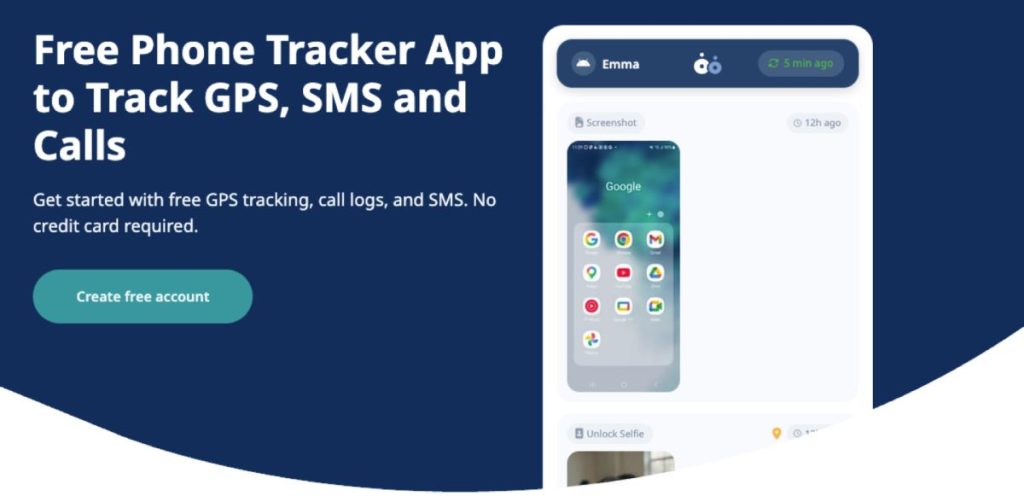
Eyezy Tracking Apps

Imagine a digital bodyguard that works around the clock without ever a break. That is exactly
what Eyezy feels like when you install it. Most parents do not want to hover over their children’s
shoulders every second of the day. It creates friction and kills trust. Eyezy solves this by work in
the background.

Do you worry about your child wander into a part of town that makes you nervous? With this
tool, you set up “magic zones.” If your child crosses a boundary you create on a map, the app
sends a notification to your phone instantly. You don’t have to check the map every five minutes;
the app does the legwork for you. It also helps you see who they talk to on apps like WhatsApp
or Instagram. If a stranger starts a chat or if a bully sends a mean text, you will know. It uses
artificial intelligence to flag “danger” words, so you only step in when it truly matters.

Key Features At A Glance

  • GPS location tracking with instant geofence alerts.
  • Review of social media chats on WhatsApp and Messenger.
  • Access to call logs and text messages.
  • AI-driven keyword alerts for specific “red flag” words.
  • History of web browser visits and bookmarks.
  • Stealth mode to ensure the app stays hidden.

The Good And The Bad

ProCons
Very affordable plans for long-term
users.
You may need to “root” or “jailbreak” for some
features.
Excellent geofencing that sends alerts
fast.
The setup can take some time for beginners.
The stealth mode is very hard to
detect.
No full free trial to test the paid features.

2. mSpy: The Gold Standard For Deep Insights

mSpy Tracking Apps

If you need a tool that leaves no stone unturned, you likely heard of mSpy. This software has
been a leader in the industry for years, and for good reason. It provides a level of detail that few
other apps can match. While some apps just show you a dot on a map, the mSpy app gives
you the full context of what happens on that device.

Think about a situation where your child seems distant or upset. You suspect something is
wrong, but they won’t talk. mSpy allows you to see their screen in real-time. You can see the
photos they receive and the messages they type before they even hit “send” thanks to its
keylogger. It records every keystroke. This is not just about location; it is about the total digital
environment. You can even block certain websites or apps if you feel they pose a risk. It acts as
a remote control for safety, give you the power to protect your family from miles away.

Key Features At A Glance

  • Live screen recording and remote screen views.
  • Keylogger that captures every single typed word.
  • Comprehensive GPS history and current location.
  • Monitor all major social media like Snapchat and Instagra
  • Remote device locks and website blocks.
  • Record calls and view detailed contact lists.

The Good And The Bad

ProsCons
Perhaps the most powerful set of features
on the market.
It sits at a higher price point than competitors.
The interface is very clean and easy to navigate.It focuses more on surveillance than “screen time” limits.
Excellent customer support to help with installation.Full power requires deep access to the phone OS.

3. Snoopza: The Simple Solution For Android Users

Snoopza Tracking Apps

Not everyone needs a complex dashboard with a hundred different buttons. Sometimes, you
just want a tool that works without a fuss, especially if you use an Android device. Snoopza is a
breath of fresh air for those who want a straightforward experience. It is particularly popular for
people who need to manage multiple devices or for small business owners who want to keep
track of company phones.

Have you ever lost your own phone and wished you could just “see” through its camera to find
where it fell? Snoopza actually allows for remote camera access and can take screenshots. This
is incredibly helpful if a device is stolen or lost. It records calls and tracks SMS messages with
ease. While it lacks some of the flashy AI features of Eyezy, it makes up for it with a very simple
installation process. If you are on a tight budget, they even offer a basic version for free, which
is a rare find in this industry.

Key Features At A Glance

  • Reliable GPS phone tracking.
  • Call recording and SMS/MMS log access.
  • Stealth camera photos to see the surroundings.
  • Track internet activity and history.
  • Social media tracking for Viber and Facebook.
  • Screenshot capture at set intervals.

The Good And The Bad

ProsCons
Offers a limited free version for basic
needs.
Does not support iPhones as well as it does
Android.
The installation process is very quick.Lacks the advanced AI analytics found in
Eyezy.
Great for basic call and message
tracking.
The free plan has very few features.

You may also like; Xnspy’s Remote Controls Review: The Right Way To Ensure Safety From A Distance

Comparison Of The Top 3 Apps

FeatureEyezymSpySnoopza
Best ForParents on a budgetPower users/Total controlAndroid/Free users
iPhone SupportYesYesLimited
KeyloggerYesYesNo
Stealth ModeYesYesYes
Starting Price~$9.99/mo (Annual)~$19/mo (Starting)Free (Basic)

How Do You Choose The Right One?

With these choices, you might wonder which one fits your life. Ask yourself a few questions. Do
you have an iPhone or an Android? If you have an iPhone, Eyezy or mSpy are your best bets.
Do you need to see every single word they type, or do you just need to know they arrived at
school safely? For the former, choose mSpy. For the latter, Eyezy is perfect.

Safety is a journey, not a destination. These apps are tools to help you start conversations with
your kids about digital safety. They are not just “spy” tools; they are bridges to better
communication. When you know where they are, you can stop worry and start enjoy your time
together.

Secure Your Peace Of Mind Today

Each of these tools offers a distinct path to a safer home. You might like the budget-friendly
alerts of Eyezy or the simple, free-to-start approach of Snoopza. Both do a great job for specific
needs. But if you want the absolute gold standard in mobile safety, I recommend the mSpy app
above the rest. It provides the most complete set of tools to ensure your kids stay safe online
and off. Why settle for less when it comes to the people you love?

.

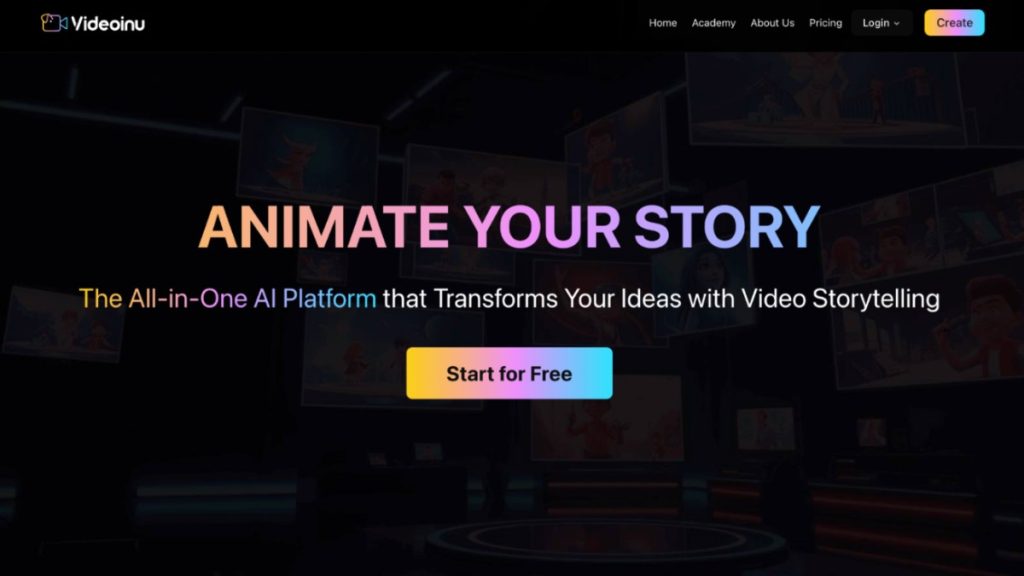
Videoinu AI Story Video Generator

How to Use an AI Story Video Generator for Longer, Better Storytelling

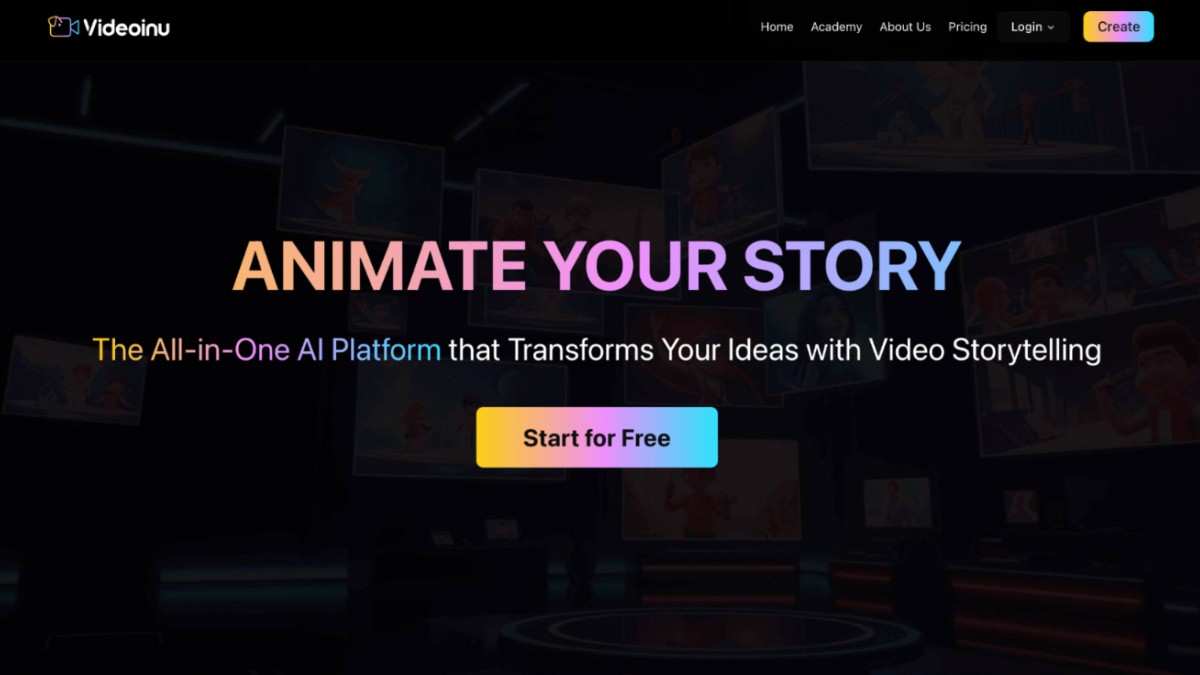
Videoinu AI Story Video Generator

An AI story video generator is useful when you want more than one short clip. Instead of
making isolated shots, it helps you turn an idea into connected scenes with better flow.

That is the angle Videoinu takes with its AI Story Video Generator, which is built around
story-based video creation rather than one-off generation.

Why This Type of Tool Matters

A lot of AI video tools are great for quick visual experiments, but story content needs more
structure. If you are making a short narrative, a lesson, a children’s story, or a branded video
with a beginning, middle, and end, you need scene flow, pacing, and continuity. Videoinu’s AI Story Video Generator page describes exactly that kind of workflow, starting from a written story or script and turning it into a sequence of scenes.

This is also why story video tools feel different from standard text-to-video tools. Videoinu’s
text-to-video page is more focused on turning prompts into videos quickly, while the story
tool is positioned around multi-scene storytelling and narrative structure.

A Different Way to Think About It

Instead of asking, “How do I make one good AI clip?” a better question is, “How do I keep viewers interested from one scene to the next?” That is where an AI story video generator becomes more useful.

Videoinu’s homepage also supports this bigger-picture idea. It presents the platform as an all-in-one AI storytelling tool and says users can go beyond short 10-second limits to create
much longer videos, including animated episodes for YouTube. That longer-form positioning fits naturally with story-based creation.

Videoinu also offers access to many AI video models, including Sora, so users can explore
different styles and results in one place. Its main appeal, though, is not just model access.
The stronger point is having a simpler workflow for building videos and improving them over time.

How to Use an AI Story Video Generator

Videoinu – AI Story Video Generator

Step 1: Start with a Simple Story Outline

Do not start with a giant script. Start with a clean outline.

For example:
● A girl finds a map in an old book
● She follows it into the forest
● She discovers a hidden tower
● She opens the door and finds a glowing machine

That is enough for a first test. Videoinu’s story page says users can begin with a written
story, plot outline, or script, so you do not need a polished screenplay before you start.

Step 2: Think in Scenes, Not in Paragraphs

This is the biggest mindset shift. Story videos work better when each part has a clear visual
purpose.

Instead of writing one long description, break the story into moments:
● setup
● change
● tension
● reveal
● ending

That scene-based approach fits the way Videoinu describes its generator, where the written input is transformed into a sequence of scenes with visual continuity.

Step 3: Choose the Tone and Style Early

Before generation, decide what kind of story this is. Is it warm, dramatic, educational, playful, or cinematic?

Videoinu’s pages repeatedly emphasize style choice and story direction. Its broader platform
pages also mention multiple art styles, character consistency, and AI voiceovers, which matter a lot when you want the story to feel coherent from start to finish.

This step helps you avoid a messy result. A children’s story, a brand story, and a dark
fantasy scene should not all be guided the same way.

Step 4: Generate a Draft, Not a Final Video

When you first generate the story, treat it like a draft.

That is the best way to use a story video tool. Watch for:
● whether the scenes feel connected
● whether the pacing is too fast or too slow
● whether the tone stays consistent
● whether the story is easy to follow

The Videoinu’s story page and related model pages emphasize connected scenes, pacing, and
continuity, which suggests the platform is meant to be used iteratively rather than as a
one-click finalizer.

Step 5: Refine the Story Flow

This is where the real quality comes from.

If the video feels random, the story structure may be too loose. If it feels rushed, you may
need to slow down transitions or split the idea into more scenes. If it feels flat, the tone may
need stronger visual direction.

The Videoinu’s workflow pages make the same point in different ways: generate, preview, review and improve. That applies to story content even more than regular AI clips.

You may also like Question AI Review Meet The Free AI Homework Helper Transforming Education

What Videoinu Is Good At Here

Videoinu looks strongest when the goal is not just “make a clip”, but “build a story”.

Its public pages consistently highlight:
● story-driven creation
● longer-form video potential
● character consistency across scenes
● multiple AI models in one workflow
● voice and style options for more complete videos

That combination matters because good story videos need more than visuals. They need
repeatability. You want characters to feel stable, scenes to connect, and the overall result to feel like one piece of content instead of scattered experiments. Videoinu’s public positioning is closely aligned with that use case.

Tips for Better Story Videos

Start smaller than you think. A short, clear story usually works better than an
overcomplicated one. This fits Videoinu’s prompt-driven workflows, which favor clear
direction at the start.

Use structure. Even a basic beginning-middle-end format can make the output feel much
more intentional. That aligns with the story page’s focus on scene sequencing.

Do not judge the tool on the first try. Story generation is usually a process of shaping and
refining, especially if you want publishable content instead of a quick demo. Videoinu’s
pages repeatedly frame creation as preview-and-improve, not just instant perfection.

Final Thoughts

The strongest way to use an AI story video generator is to treat it like a storytelling workflow, not a clip machine. Start with a simple outline, break it into scenes, generate a draft, and improve the flow. Videoinu fits that process well because its public product pages are clearly built around story-driven creation, longer-form output, and connected scenes.

FAQs

What is an AI story video generator?

It is a tool that turns a written story, outline, or script into a sequence of connected video
scenes. Videoinu presents its AI Story Video Generator as a way to make story-based
videos with visual continuity.

How is it different from text to video?

Text-to-video is often used for single clips from prompts, while a story video generator is built
for scene flow and narrative structure. Videoinu has separate pages that reflect this
difference.

Is Videoinu only for short clips?

No. Videoinu’s homepage says users can create much longer videos and even animated
episodes for YouTube, which supports longer storytelling workflows.

Does Videoinu support other models too?

Yes. Videoinu’s public pages show access to many AI video models, including Sora and
other model families, within the broader platform.

Do I need editing experience?

Videoinu’s public pages describe automated workflows for story video, text-to-video, and video transformation. This suggests it is designed for users who want a simpler creation process without heavy editing skills.

AI Tool - PPT to Video

The Rise of AI Presentation Video Tools: Where FlexClip Fits In

AI Tool - PPT to Video

The way we communicate ideas is evolving. Traditional slide-based presentations are gradually being replaced—or at least supplemented—by video content. This shift is driven by changes in audience behavior, where visual storytelling and on-demand consumption are becoming the norm.In this context, AI-powered tools like FlexClip’s PPT to Video converter represent a broader trend: the automation of content transformation.

From Static Slides to Dynamic Content

PowerPoint presentations were originally designed for live delivery. They rely heavily on a speaker to provide context, explanation, and engagement.

When shared independently, however, slides often lose their effectiveness. Without narration or pacing, they become static and difficult to follow.

Video solves this problem by combining visuals, timing, and audio into a single, cohesive format. The challenge has always been the effort required to create such videos.

AI is now changing that equation.

Automation as a Creative Enabler

FlexClip’s AI PPT-to-Video tool exemplifies how automation can simplify content creation.

Instead of manually editing videos, users can upload a presentation and allow the system to generate a video automatically. The addition of AI voiceover further reduces the need for external resources.

This does not eliminate creativity—it shifts it. Users spend less time on technical execution and more time refining content and messaging.

Accessibility and Democratization

One of the most significant impacts of tools like FlexClip is increased accessibility.

Video production has traditionally required specialized skills and software. By contrast, AI-driven platforms lower the barrier to entry, enabling a wider range of users to create video content.

This democratization is particularly important in:

  • Education, where teachers need scalable content solutions
  • Small businesses, which may lack dedicated video teams
  • Global communication, where multilingual content is essential

Efficiency in Content Repurposing

Another important aspect is content repurposing.

Organizations often invest significant time in creating presentations. With tools like FlexClip, these materials can be quickly transformed into videos, extending their value and reach.

This aligns with modern content strategies, where a single piece of content is adapted for multiple formats and platforms.

You may also like FlexClip Review 2024 Comprehensive Analysis of Advantages Disadvantages Hidden Features

Limitations of AI-Driven Tools

Despite their advantages, AI tools are not without limitations.

Automation can sometimes lead to generic outputs, especially when the input content lacks strong visual design. Additionally, AI-generated narration may not fully capture the nuance of human delivery.

Therefore, while tools like FlexClip can accelerate production, they still benefit from human oversight and refinement.

Where FlexClip Stands

FlexClip positions itself as a practical, user-friendly solution within this evolving landscape.

Its strengths lie in:

  • Ease of use
  • Fast processing
  • Integrated AI features

Rather than competing with high-end video production software, it focuses on efficiency and accessibility.

This makes it particularly relevant for users who prioritize speed and simplicity over advanced customization.

Looking Ahead

The development of AI presentation tools reflects a broader shift toward automation in content creation. As these technologies continue to improve, we can expect:

  • More natural AI voice generation
  • Better visual enhancement of slides
  • Greater customization options

FlexClip’s AI PPT to Video tool is part of this ongoing evolution, offering a glimpse into how presentations may be created and shared in the future.

Final Reflection

The transition from slides to video is not just a technical change—it represents a shift in how information is consumed and communicated.

By simplifying the conversion process, tools like FlexClip enable users to adapt to this new reality more easily. While not a replacement for all forms of video production, they serve as an efficient bridge between traditional and modern content formats.

9 Free Google AI Tools

9 Incredible FREE Google AI Tools You Can Use and Stop Paying for Subscriptions

9 Free Google AI Tools

Let’s be real, AI subscriptions are starting to drain our wallets. But what if I told you that Google has a ‘secret stash’ of AI tools that are arguably more powerful than the paid ones, and they won’t cost you a single cent?

Whether you want to generate stunning images (just like the ones we’re doing here), enhance your workflow, design a website, or anything else you can imagine, these tools have you covered. From turning boring PDFs into viral-style podcasts to building full-blown apps just by chatting, these tools are absolute game-changers. Here are 9 Free Google AI tools you need to start using today.

Tool NameBest For…Launch DatePopularity Level
1. NotebookLMTurning documents into AI PodcastsJuly 2023⭐⭐⭐⭐⭐ (Viral!)
2. Nano Banana ProHigh-end studio-quality imagesAug 2025⭐⭐⭐⭐ (Top Pick)
3. Project AstraReal-time visual & voice assistanceSept 2025⭐⭐⭐⭐ (Mind-blowing)
4. Google AI StudioBuilding apps with “Pro” AI modelsDec 2023⭐⭐⭐⭐
5. Gemini CanvasTurning notes into presentationsDec 2025⭐⭐⭐ (Hidden Gem)
6. Google VidsAuto-generating videos from docsAug 2025⭐⭐⭐
7. OpalNo-code task automationJuly 2025⭐⭐⭐
8. PomelliInstant branding & social contentOct 2025⭐⭐
9. Google StitchProfessional UI/UX prototypingMay 2025⭐⭐

1. NotebookLM – Your FREE AI Podcast Generator

One of the first free Google AI tools – NotebookLM isn’t just an AI notebook; it has a ‘Deep Dive’ audio feature. You can upload a 50-page research paper or a messy set of meeting notes, and it generates a stunningly realistic podcast-style conversation between two AI hosts discussing your data. It’s the perfect way to ‘read’ while you’re commuting, and it costs nothing.

  • The Backstory: The ‘OG’ of the list, first launched in July 2023. Originally an experimental tool for researchers and students to organize notes.
  • Why It’s Trending: This is the #1 most popular tool on this list..! The ‘Audio Overview’ (Podcast) feature went viral because the AI voices sound incredibly human.
  • Go to NotebookLM.google

2. Nano Banana Pro – FREE Studio-Quality AI Image Gen

Google’s latest image generation model is a beast. Whether you need hyper-realistic product shots or 4K conceptual art for your blog, this tool delivers lighting and textures that rival professional photography. Just describe your vision, and let the AI do the heavy lifting. Why pay for Midjourney when you have this for free?

  • The Backstory: The Nano Banana model was released in August 2025, with the Pro version landing in November 2025. It serves creatives and content creators looking for the highest fidelity images.
  • Why It’s Trending: It’s the #2 most used tool because it’s built directly into Gemini. It’s fast, high-res, and 100% free to use.
  • Go to Gemini.google.com → Tools → Create images

You may also like: 7 Features of AI Powered Google Photos Editing You Must Try

3. Project Astra (Gemini Live) – Your FREE AI Eyes & Ears

Ever wished you could point your phone camera at a broken car engine and have an expert tell you exactly what’s wrong? That’s Project Astra. It’s a real-time free Google AI tools built-in Gemini as your assistant that can see, hear, and remember what you show it. It’s not just a chatbot; it’s a conversational partner with visual memory.

  • The Backstory: First teased at Google I/O 2024, the fully integrated free version for Android & iOS users was released in September 2025. It was built for everyone who needs ‘on-the-go’ assistance for daily life tasks.
  • Why It’s Trending: People are obsessed with its ‘Visual Recall’ ability. For example, you can ask, “Hey, where did I leave my keys?” and the AI will remember because it saw them while you were walking through your room earlier. It’s absolutely mind-blowing..!
  • Open Gemini apps on you mobile phone → tap the ‘Live’ ✨ (sparkle icon) at the bottom right of your screen. To enable the ‘Eyes’ feature (Astra), simply tap the 📹 Camera icon within the Live session to start sharing your view with the AI in real-time.

4. Google AI Studio – Create Apps for FREE Just by Chatting

Coding used to be a barrier, but not anymore. Within Google AI Studio, the ‘Build’ feature allows you to create functional web applications simply by talking to the AI. Want a custom habit tracker or a niche calculator for your business? Just tell the AI what it should do, and watch it write the entire codebase in seconds.

  • The Backstory: Released in December 2023 as part of the broader Gemini ecosystem. It’s built for developers and tech enthusiasts who want to leverage Google’s most powerful models (like Gemini 3) via API.
  • Why It’s Trending: It’s highly popular because it provides “pro-level” access to AI models for free, which usually costs a lot on other platforms.
  • Go to AIstudio.google.com

5. Gemini Canvas – FREE Pro Presentations in Seconds

Forget the tedious process of copying and pasting text into PowerPoint slides. This is another free Google AI tools built inside Gemini, Canvas allows you to organize your thoughts, research, and data on a visual board. With one click, it can structure your content into a clean, professional presentation format.

  • The Backstory: Released very recently in December 2025. It was introduced as a feature for office workers and students who need to turn ‘brainstorming mess’ into ‘meeting-ready slides’.
  • Why It’s Trending: It’s a “hidden gem” that’s quickly becoming a favorite for anyone who hates manual slide formatting.
  • Go to Gemini.google.com → Tools → Canvas

6. Google Vids – Your FREE AI Video Editor & Storyboarder

Can’t edit video? Don’t have the budget for a videographer? Google Vids is the answer. This tool allows you to create professional videos for marketing, tutorials, or presentations using just a simple prompt or an existing document. It automatically handles the storyboarding, suggests relevant stock footage, and even adds background music.

  • The Backstory: Originally introduced as a workspace productivity tool in late 2024, the fully-featured free version for all Google accounts rolled out in August 2025. It was designed for content creators and office professionals who want to produce video content without the steep learning curve of complex editing software.
  • Why It’s Trending: It’s a hit because of its “Help Me Create” feature, which can turn a Google Doc or a set of Slides into a complete video draft in seconds.
  • Go to Vids.google.com

7. Opal – The FREE ‘No-Code’ Automation Powerhouse

If you’re tired of the ‘task limits’ on other automation platforms, you need to check out Opal. It acts as an AI-powered personal assistant that handles your workflows through natural language. You can set up complex logics like, “Whenever I get a feedback email, summarize it and send a notification to my Slack,” without touching a single line of code – all for zero cost.

  • The Backstory: First released in July 2025. It came out as a ‘productivity experiment’ for power users who wanted to automate boring tasks without learning complex tools like Zapier.
  • Why It’s Trending: It’s the top choice for the no-code community because it allows for unlimited task automation for free.
  • Go to Opal.google

8. Pomelli – Your FREE AI Brand & Content Strategist

Struggling to keep your social media content consistent? Pomelli scans your existing website or brand assets to learn your ‘vibe’ – your colors, your tone of voice and your audience. It then auto-generates marketing copy and social posts that feel like you. It’s like having a professional marketing agency in your pocket for free.

  • The Backstory: One of the newest entries, launched in October 2025. It was designed for small business owners (SMBs) and marketers who can’t afford a full-time creative agency.
  • Why It’s Trending: It’s gaining traction fast because it’s one of the few tools that actually understands ‘Brand DNA’ rather than just spitting out generic text.
  • Go to labs.google.com/Pomelli (currently available only on some regions)

9. Google Stitch – High-End UI Design for FREE

Got a brilliant app idea but zero design skills? Google Stitch is your new best friend. You can literally describe what you want or upload a rough hand-drawn sketch, and the AI transforms it into a professional, high-fidelity UI design. It doesn’t just give you a picture; it provides the front-end code to get you started.

  • The Backstory: First launched in May 2025 at Google I/O. It was created specifically for designers and developers to bridge the gap between a ‘sketch’ and a ‘working prototype’.
  • Why It’s Trending: It’s a niche favorite because it saves days of manual UI layout work, making it the go-to for startup founders.
  • Go to Stitch.withgoogle.com

The Bottom Line

The AI world is moving fast and you don’t always have to pay to stay ahead. These 7 tools prove that Google is serious about making high-end tech accessible to everyone. Give them a spin and see how much time and money you can save. Which of these free tools are you going to try first..? Let me know in the comments below..!

AI Autonomous Vehicles

Innovative Ways AI is Transforming Everyday Life

Img source

Artificial Intelligence is no longer something we only hear about in tech labs or futuristic movies. It has quietly become part of our everyday routines, improving how we travel, work, shop, and even relax at home. Across industries such as healthcare, manufacturing, agriculture, and retail, AI is helping people make faster decisions, reduce errors, and use resources more efficiently. Below is a closer look at some of the most impactful ways AI is shaping daily life today.

1. Autonomous Vehicles: Redefining Mobility

AI Autonomous Vehicles

Self-driving cars and AI-powered drones are among the most visible examples of artificial intelligence in action. Companies like Tesla and Waymo rely on AI to process data from cameras, sensors, and radar systems, allowing vehicles to detect obstacles, read road conditions, and make split-second decisions.

Beyond passenger cars, AI-powered drones are being used for deliveries, aerial mapping, infrastructure inspections, and emergency response. These systems help improve safety, reduce human error, and make transportation more efficient overall.

2. AI Video Security Systems: Smarter Surveillance

AI Video Security Systems

Modern AI security systems have changed the way surveillance works. Instead of passively recording footage, these systems actively analyze video feeds in real time. AI can identify unusual behavior, unauthorized access, loitering, or potential hazards such as smoke and fire.

Advanced AI security systems go beyond traditional monitoring by detecting anomalies and sending alerts immediately. Solutions that use AI-powered video management can recognize patterns, flag suspicious activity, and help security teams respond faster. This proactive approach is especially valuable in sensitive environments like airports, financial institutions, schools, and critical infrastructure, where early detection can prevent serious incidents.

You can see this shift in how newer platforms are built. For example, systems like Coram focus on turning standard IP camera feeds into searchable, actionable security data, so teams spend less time scrubbing through footage and more time responding to real issues. The broader trend is clear: video surveillance is moving from “record and review later” to “detect and respond now,” which is exactly what many organizations need as sites grow larger and security staff stay lean.

3. Smart Manufacturing: Efficiency in Factories

AI Smart Manufacturing

In manufacturing, AI has become a powerful tool for improving productivity and precision. AI-driven robots now handle tasks such as assembling components, inspecting products for defects, and predicting equipment failures before they happen.

These systems reduce downtime, lower operational costs, and improve product quality. By automating repetitive and high-risk tasks, AI also creates safer working conditions while allowing human workers to focus on more complex responsibilities.

4. Healthcare Robotics: Enhancing Patient Outcomes

AI Healthcare Robotics

AI has made a major impact in healthcare, particularly through robotics and data analysis. Surgical robots guided by AI assist doctors in performing delicate procedures with higher accuracy. In rehabilitation, AI-powered devices adapt therapy programs based on patient progress, offering more personalized care.

AI also supports doctors by analyzing medical images, detecting early signs of disease, and predicting patient outcomes. These advancements help healthcare providers deliver faster diagnoses and more effective treatments.

5. Agriculture Drones: Revolutionizing Farming

AI Agriculture Drones

Farming has become increasingly data-driven thanks to AI. Drones equipped with AI monitor crops, detect pests, and evaluate soil conditions across large areas. The data collected is analyzed to guide irrigation, fertilization, and harvesting decisions.

This technology helps farmers reduce waste, improve crop yields, and use resources more responsibly. AI-driven agriculture supports sustainable farming practices while addressing challenges like food security and climate change.

6. Smart Traffic Systems: Reducing Urban Congestion

Cities around the world are using AI to tackle traffic congestion. Smart traffic systems collect data from cameras, sensors, and GPS devices to monitor traffic flow in real time. AI adjusts traffic light timing, predicts congestion, and helps redirect vehicles to less crowded routes.

Cities such as Singapore and Los Angeles have already seen improvements in travel time, fuel efficiency, and air quality by using AI-driven traffic management systems.

7. Retail Automation: A New Shopping Experience

AI Retail Automation Shopping Experience

AI is reshaping how people shop, both online and in physical stores. Automated retail concepts like cashier-less stores use AI to track products and process payments without traditional checkout lines.

Online, AI-powered recommendation engines analyze browsing behavior and purchase history to suggest products customers are more likely to want. This personalization improves the shopping experience and helps retailers better manage inventory and sales strategies.

8. Energy Optimization: Powering Sustainability

AI Energy Power Optimization

The energy sector uses AI to balance supply and demand more effectively. AI systems predict energy usage patterns, optimize power generation, and manage grid loads in real time.

Renewable energy sources such as solar and wind also benefit from AI, which helps forecast weather conditions and adjust operations accordingly. These capabilities reduce energy waste and support a shift toward cleaner, more sustainable power sources.

9. Construction Robotics: Building the Future

AI-driven robotics are transforming construction by handling physically demanding and repetitive tasks. Robots can assist with bricklaying, welding, and even 3D printing of building components.

AI also helps project managers plan schedules, monitor progress, and identify risks early. This leads to faster project completion, better safety standards, and lower costs across construction projects.

10. Home Automation: Smarter Living Spaces

AI Home Automation Smarter Living

AI has made homes more comfortable and efficient. Smart thermostats learn household habits and adjust temperatures to save energy. Robot vacuum cleaners adapt to room layouts and cleaning schedules, while voice assistants manage daily tasks and control connected devices.

These AI-powered tools make everyday life easier while helping households reduce energy consumption and expenses.

Conclusion

AI is steadily becoming part of everyday life, often working behind the scenes to improve efficiency, safety, and convenience. From healthcare and transportation to retail, energy, and home automation, its impact is wide-reaching and growing.

As AI technology continues to advance, it will become even more integrated into daily activities, offering smarter solutions to complex challenges. This ongoing transformation has the potential to improve quality of life, support sustainability, and shape a more connected and intelligent future.

Free QR Code Generator

Using Vecteezy’s Free QR Code Generator for Branded, Scannable Design

Free QR Code Generator

QR codes have quietly become part of everyday life. You see them on restaurant menus, posters, business cards, product packaging, and event signage. What started as a novelty has turned into one of the easiest ways to connect physical design with digital content. In fact, 90% of marketers are now using QR codes (source).

Vecteezy’s free QR code generator offers a straightforward way to create QR codes for your designs or campaigns. It focuses on speed, flexibility, and visual control, without forcing users to sign up or learn a complicated tool. For anyone working in design, marketing, or content creation, this practical tool will fit nicely into your workflow.

What Is Vecteezy’s Free QR Code Generator?

Free QR Code Generator

Vecteezy’s QR code generator is a browser-based tool that lets you create scannable QR codes in seconds. It’s completely free to use and doesn’t require an account or login. You open the tool, enter your information, customize the look if you want, and download the finished QR code.

That simplicity is part of its appeal. There’s no setup process and no learning curve, which makes it especially useful for quick projects and client work.

More Than Just Links

Sending people to a website is still the most common use for QR codes, and the generator handles that easily. You can link to a homepage, landing page, app download page, portfolio, or product page with just a few clicks.

However, Vecteezy’s tool goes beyond basic URLs. It also supports several other QR code types that are useful in real-world design scenarios. You can create QR codes for free text, contact information, email addresses, phone numbers, or SMS messages. These options open up more creative and practical uses. 

How the Generator Works

The process is simple. First, you choose the type of QR code you want to create, whether that’s a URL, text, contact, or another option. Next, you enter the relevant information. The QR code is generated instantly, so you can preview it right away.

Once the code is ready, you can download it and place it into your design. There are no extra steps, no hidden requirements, and no account prompts along the way. This makes the tool accessible not just to designers, but also to marketers, educators, and small business owners who may not work with design software every day.

Customization for a Branded Look

One of the standout features of Vecteezy’s QR code generator is customization. QR codes do not have to look generic or out of place, and this tool makes it easy to give them a custom appearance that matches your branding.

Users can choose from six different dot styles, each giving the QR code a slightly different visual feel. You can also adjust the background color and dot color to align with your brand palette. For projects that require stronger brand recognition, you can upload an image, such as a logo, and place it within the QR code.

These options help QR codes feel like a deliberate part of the design rather than an afterthought. 

Practical Use Cases for Designers and Creators

In print design, QR codes are often used on posters, flyers, menus, and brochures to guide users to additional content. With customization options, the QR code can match the overall design.

For branding and client work, QR codes can link directly to campaign pages, product launches, or digital portfolios. Adding brand colors or a logo helps reinforce identity while keeping the experience functional.

In digital marketing and social campaigns, QR codes make it easier to connect offline touchpoints to online experiences. A code on a postcard or event sign can send users directly to a signup page or promotional offer without friction.

Events and educational settings also benefit from flexibility. Contact QR codes work well on badges or resumes. SMS and email QR codes simplify communication. Text-based QR codes can provide instructions, schedules, or supplemental information without requiring an internet connection.

You may also like: 15 Sites Where To Sell Your Vector Arts

Why No-Account Tools Matter in Creative Workflows

One of the most overlooked advantages of this tool is that it does not require an account. In creative work, especially when deadlines are tight, removing small barriers can make a big difference.

No signup means faster collaboration, fewer interruptions, and easier handoffs between team members. Freelancers, agencies, educators, and small teams can use the tool immediately without managing logins or permissions. 

Who Benefits Most from This Tool?

Vecteezy’s free QR code generator is useful for a wide range of users. Graphic designers and illustrators can integrate QR codes directly into visual layouts. Freelancers and small studios can create branded assets quickly. Marketers and content creators can simplify user journeys. Educators and students can share resources with minimal friction. Small businesses can add professional touches to printed materials without added cost.

Final Thoughts

Good design often relies on simple tools that do one thing well. Vecteezy’s free QR code generator fits that philosophy. It is flexible, easy to use, and thoughtfully designed for real-world applications.

By supporting multiple QR code types, offering customization options, and removing the need for an account, the tool makes QR codes more accessible and more usable. For designers and creators looking to connect physical and digital experiences without unnecessary complexity, it is a practical addition to the creative toolkit.

Monetize your 3D Models

How to Monetize Your 3D Models: Sell on 3D Model Marketplaces

sell 3D models

The digital creative economy has experienced unprecedented growth over the past few years, with 3D modeling becoming one of the most sought-after skills in industries ranging from gaming and entertainment to architecture and product design. If you’re a 3D artist looking to turn your creative talent into a sustainable income stream, selling your models on established marketplaces is one of the most efficient and accessible paths forward. Among the numerous platforms available, 3dexport stands out as a premier destination for creators who want to monetize their work while maintaining control over their pricing and distribution strategy.

Understanding the Market Demand for 3D Models

Before you start uploading your creations to any marketplace, it’s essential to understand which types of 3D models have the strongest market demand. The gaming industry remains the largest consumer of digital assets, with developers continuously seeking game-ready characters, creatures, and environmental props. High-quality character models, from realistic humanoid figures to fantastical creatures optimized for engines like Unity and Unreal, consistently command good prices and generate steady sales. Beyond gaming, architectural visualization, virtual reality experiences, product design, and 3D printing represent significant market segments with dedicated buyer communities.

The most successful sellers analyze current market trends and create models that address genuine demand. Whether you specialize in low-poly models for indie developers or highly detailed photorealistic assets for professional studios, there’s an audience waiting for your work. The key is to understand your niche and position your models accordingly.

3Dexport

Why Choose 3DExport for Your 3D Models

Since its founding in 2004, 3DExport has established itself as one of the world’s largest providers of high-quality 3D content. The platform serves as a comprehensive marketplace for 3D models, textures, plugins, and digital prints, with a user base spanning over 600,000 members globally. What sets 3DExport apart from competing marketplaces is its creator-centric approach and commitment to supporting artists throughout their selling journey.

The platform’s intuitive design and regularly updated interface make it easy for both new and experienced sellers to manage their shops. Unlike some marketplaces that impose heavy restrictions or complicated approval processes, 3DExport provides a streamlined path from model creation to listing publication. Your products go live instantly once your shop is open, allowing you to start generating revenue without unnecessary delays or bureaucratic hurdles.

Competitive Commission Structure and Royalties

One of the most compelling reasons artists choose 3DExport is its generous royalty structure. The platform offers sellers an 80% base royalty for non-exclusive sales, with the opportunity to earn up to 70% under exclusive contracts. Additionally, 3DExport provides a 15% referral bonus, meaning you can earn extra commission by bringing new customers to the platform. This dual-earning opportunity makes 3DExport particularly attractive for sellers who actively promote their work and build their own audience.

Unlike platforms that charge subscription fees or monthly memberships, 3DExport operates on a commission-based model with no fixed costs. This means there’s no financial risk in getting started—you only pay when your models sell. For artists just beginning their monetization journey or those testing new market segments, this approach eliminates barriers to entry and allows you to experiment freely.

Setting Your Own Prices

A critical advantage of selling through 3DExport is the freedom to control your pricing strategy. You’re not forced into predefined price brackets or forced to match competitor pricing. Instead, you determine the value of your work and set prices accordingly. If you create exceptionally detailed models or assets with specialized functionality, you can price them premium. If you’re building a large portfolio to generate volume sales, you can offer competitive rates.

This pricing autonomy extends beyond the initial listing. You can update prices at any time based on market feedback, seasonal demand, or strategic business decisions. This flexibility allows you to optimize your earning potential and respond dynamically to market conditions without waiting for platform approval or dealing with lengthy review processes.

Sells 3D Models

Licensing Options for Maximum Flexibility

3DExport provides both Basic and Extended licenses, catering to different buyer needs and allowing you to serve a broader market. Basic licenses cover standard commercial and personal use, while Extended licenses are designed for studios and professionals requiring broader usage rights. Offering both options within your shop increases your addressable market and can lead to higher overall sales volumes. The platform makes it simple to upgrade licenses for individual sales or to manage different licensing tiers across your product catalog.

You may also like: 15 Sites Where To Sell Your Vector Arts

Support and Content Conversion Services

The 3DExport team understands that not all customers work with the same 3D software or file formats. To address this challenge, the platform offers professional conversion services. If a buyer requires a file format different from what you’ve uploaded, 3DExport can convert your model to meet their needs at no cost to you. This customer-focused service removes friction from the buying process and often results in sales that might otherwise be lost due to format incompatibility.

Additionally, 3DExport provides comprehensive support for both buyers and sellers, with helpful documentation and responsive customer service. Whether you need guidance on optimizing your listings, understanding platform features, or troubleshooting technical issues, the support team is available to help.

Maximizing Your Earning Potential

To succeed as a 3D model seller, focus on quality over quantity. Every model you list should represent your best work and provide genuine value to potential buyers. Invest time in creating detailed preview images, comprehensive descriptions, and accurate metadata. High-quality thumbnails and multiple viewing angles significantly increase the likelihood that browsers will click through to your full listings.

Additionally, take advantage of 3DExport’s analytics and marketplace insights to understand which models perform best and which might need repositioning or price adjustments. Monitor customer reviews and feedback to continuously improve your offerings. Building a reputation for quality and responsiveness creates loyal customers who return for future purchases and recommend your work to others.

Participate in the 3DExport community by engaging with other artists, sharing knowledge, and staying informed about market trends. The platform features a job board where you can discover freelance opportunities and potential commissions from clients seeking custom models. These additional revenue streams complement your passive income from model sales.

Diversifying Your Distribution Strategy

While 3DExport provides an excellent platform for monetization, successful digital artists rarely rely on a single marketplace. Consider listing your models across multiple platforms to maximize visibility and reach different buyer communities. Each marketplace has distinct user bases with different preferences and purchasing patterns. By maintaining presence across several platforms, you reduce dependency on any single source of income and increase overall revenue potential.

However, be mindful of each platform’s terms regarding exclusivity. Some marketplaces offer higher royalties for exclusive content. Evaluate whether the premium royalty rate justifies the reduced distribution, or if broader distribution across non-exclusive platforms generates better total income.

Getting Started Today

Beginning your 3D model monetization journey on 3DExport requires just a few simple steps. Create an account, set up your shop, and start uploading your models with compelling descriptions and high-quality previews. The process is straightforward, with instant publication allowing you to begin earning immediately.The combination of competitive royalties, pricing freedom, professional support, and access to a global community of buyers makes 3DExport an ideal platform for monetizing your 3D models. Whether you’re creating architectural visualizations, game assets, or models for 3D printing, 3d models on 3DExport reach buyers actively seeking quality content. Start building your seller presence today and transform your creative passion into a profitable business.

Phone Remote Control

Xnspy’s Remote Controls Review: The Right Way to Ensure Safety From a Distance

Xnspy’s Remote Controls

Xnspy is designed for those moments when you need to stay in control without being physically present. Now, some would argue that control is bad, control is suffocating, control is everything but good. But when it comes to keeping children safe, it becomes a form of care. The world they explore online isn’t always as harmless as it looks.

One day, they have just gotten their first phone, are talking to friends, and the next, you begin noticing strangers on their social media accounts. What starts as your way of letting them have some autonomy can, in front of your very eyes, devolve into a mess of equal proportions.

To properly address such problems, you just need Xnspy that can help you control another phone from yours. But we cannot just decide to use the app only because it has been in the market too long, so in this article, you will find everything about Xnspy and its remote commands.

What is Xnspy and Its Remote Control Features?

Xnspy is built for parents to help them monitor their child’s phone activity, both offline and online. But that is not where its capabilities end. Apart from tracking, the app is also created for remote control.

Now, how does one make use of the app? When we studied the process for you, it turned out to be straightforward. After making sure your device is compatible with Xnspy, you can gain one-time access to the target phone for installation.

Once the app is downloaded, it starts to run in stealth mode. Due to this mode, Xnspy does not remain visible anywhere in the phone and prevents the child from uninstalling it. Apart from this protection, it further aids in ensuring that the child is not constantly stressed out from the prospect of their parent keeping an eye on them.

After Xnspy is all set, it begins running in the phone’s background without unnecessary battery consumption or disruption. All the collected logs are then sent to the web dashboard in real-time. What this entails is that as soon as the system detects any new activity, it is uploaded to the dashboard for the parents’ perusal.

The same extends to the controls too, i.e., Xnspy executes commands immediately when requested.

But what do the “remote commands” even mean? Well, there are four different actions that give parents the power to control a phone from another phone. See the features the app offers:

  • Phone locking
  • Data wiping or reset
  • Surround recording
  • Ambient screenshot capturing

Remote Screen Lock: Prevent Phone Access

With Xnspy, parents can lock their child’s phone remotely. The mechanism of this command’s execution is that parents are required to change the password of the target device and then save it. Upon setting the new passcode, the phone will become inaccessible to the child or anyone else.

To let them regain access, parents can either tell the child the changed password or simply switch the password back to the old one.

During the testing period, all commands sent to the test device for phone locking were properly executed, and no glitches occurred.

However, it is worth mentioning that the primary reason this control is provided in the first place is for phone protection and excessive screen time prevention. Since almost 70 million cell phones are lost each year, you never know whose hands the phone might end up in.

By resetting the password to lock the phone, a child’s data can be saved from interception without having to rely on drastic measures.

Likewise, if a child is evidently heading towards social media or phone addiction, parents can choose to lock the phone entirely after their daily screen time is up.

Remote Data Wipe: Save Sensitive Information

Now, if a situation really does require some urgent actions, the remote data wipe can come in handy. What this feature does is to enable parents to factory reset their child’s phone.

While in the beginning it might seem a bit too excessive, that is not the case when there are any hacking attempts and chances of potential data leaks.

When sending the data wipe command to the target phone, Xnspy gives you a fair warning that the action is not reversible in any shape or form. If you proceed forward, the data on the device will really be gone, including Xnspy itself.

If so, parents will need to reinstall the app and everything else on the phone. But then why should one put themselves through so much hassle?

That is because in the past three years alone, there have been 1341 reported scams that attempted to gain under-18 children’s personal information. And since children are mostly still developing their critical thinking and are easier targets for scams, their phones can be hacked, and their personal information can be stolen.

Not only that, but in situations where parents for sure know that a phone is stolen, not lost, they can wipe the data so the one committing the theft does not use the data in the phone for malicious intents.

Ambient Sound Recording: Listen Without Being There

Surround recording is another feature available in Xnspy that can make a privacy advocate’s hackles go up. Suppose you ask, “Why?” The answer is quite straightforward. To discreetly turn a child’s microphone on and record their surrounding to see what they are up to is not really what carefree individuals understand.

But when situations call, one cannot help but rely on these methods. For example, if one gets an alert that their child has entered a geofence, they should not have; by turning on the microphone, one can really know why the child went to that location in the first place.

To record surroundings, Xnspy requires users to enter the minutes of recording they wish to get and then press record. Upon sending the command, the microphone of the target phone is activated without the icon or activity appearing anywhere on the device.

Once the required recording is done, it is uploaded to the web dashboard in the designated category alongside its timestamp. Overall, the voice quality is good and not distorted, clearly recording everything going on in the child’s vicinity.

Remote Screenshot: Live Snapshots of Phone

Have there ever been a moment when you look at your child’s screen and find something concerning, but you cannot do anything about it because you have no proof? This is what Xnspy’s live screenshot feature is for.

To see what a child is up to or to collect evidence of their behavior that requires a proper discussion, one can send a “Take screenshot” command via Xnspy.

The screenshot will be recorded within the web dashboard alongside a timestamp. However, the feature does not compete with Xnspy’s screen recorder, which already captures snapshots of the target phone every 5-10 seconds, without missed logs.

Final Thoughts on Xnspy’s Remote Control Features

While both Xnspy and its features can help in precarious conditions to fill security gaps, the commands should not be executed without paying heed to the repercussions that follow.

By irresponsibly using the controls, parents can turn their children against them and also seriously damage their bond. Therefore, before employing the app and even using said commands, have a conversation with your child, ask for their opinion on the matter, and listen intently.

Why? Because we want the child to run to us when in trouble, not away from us.

AI Logo Generator: Create Stunning Vector Logos Free

Logos are more than just a design, they’re the face of your brand. A strong logo instantly communicates identity, professionalism, and creativity. But for many startups, small businesses, or even freelancers, hiring a professional designer can be expensive.

That’s where AI Logo Generators step in. These tools use artificial intelligence to create smart, unique, and scalable vector logos in just a few clicks. Some people call them AI Logo Makers or even AI Logo Creators, but the idea is the same: fast, intuitive branding powered by AI.

In this article, we’ll explore how AI logo generators work, why they’re perfect for vector graphics, and recommend the best free or freemium apps to get started.

Why Use an AI Logo Generator?

Back in the 90s and earlier, design-work was done manually, using freehand techniques and drawing tools. Then, from the mid-90s to the 2000s and beyond, computers took over with the rise of design software and apps. Today, the design culture has shifted once again, AI has become the fastest way to create designs, whether by product owners or professional designers themselves.

That’s why AI Logo Generator is booming right now, it has become a must know tool for every entrepreneur, or even freelancers, because it helps you:

  1. Speed – Create dozens of logo ideas in seconds.
  2. Cost-effective – Many tools are free or freemium, much cheaper than hiring a designer.
  3. Scalable Vectors – Export your logos in SVG, EPS, or PDF, making them crystal-clear for websites, packaging, or even billboards.
  4. Personalization – AI tools adapt to your brand’s colors, style and keywords.

How It Works

Most AI Logo Generators follow a similar process:

  1. Enter your brand name and tagline.
  2. Pick style preferences (modern, minimalist, playful, etc.).
  3. The AI generates multiple logo options.
  4. Customize colors, icons, and typography.
  5. Download your vector logo files.

It’s literally branding on autopilot.

Recommended Free & Freemium AI Logo Generator Tools

Here are some of the best AI-powered Logo Generator you can try today:

1. Looka (Freemium)

AI logo generator

Looka is an AI-powered logo generator that helps anyone create professional logos quickly by inputting brand name, style, and color preferences. It generates multiple designs, lets you customize them, and then download high-quality files for branding use. Besides logos, Looka also offers a full brand kit with social media templates and business assets.

  • Generates modern, professional logos with flexible style options.
  • Lets you edit fonts, colors, and layouts easily.
  • Free to try; pay only when you want high-resolution vector files.

Looka.com

2. Designhill Logo Maker (Freemium)

Designhill’s Logo Maker is an AI-powered tool that lets you quickly generate logo ideas by entering your business name, industry, and style preferences. You can then customize the generated logos (colors, fonts, layout) and pay a package price to download high-resolution and vector files with full ownership rights.

  • Simple and intuitive for beginners.
  • Offers free low-res previews; vector downloads available at a cost.
  • Comes with branding add-ons like business cards and social kit.

Designhill Logo Maker

3. Hatchful by Shopify (Free)

Hatchful by Shopify is a free logo maker that lets anyone create simple logos in minutes by choosing industry, style, colors and icons. You can download logos in PNG format (including transparent background), but it doesn’t provide vector files and has limited customization compared to professional design tools.

  • 100% free logo maker – great for startups and eCommerce.
  • No design experience required.
  • Downloads include PNG & vector formats.

Hatchful.shopify.com

4. Logo.com AI Logo Generator (Freemium)

AI logo generator

Logo.com is an AI-based logo maker that lets you generate unlimited logo designs by inputting your business name, industry and style preferences. You can customize colors, fonts, icons and then download full brand kits, including vector files (SVG, AI) for professional use.

  • Clean, modern interface.
  • AI suggests brand focused icons and typography.
  • Free logos with watermarks, paid plans unlock vector formats.

Logo.com

5. Fiverr – Find a Real Human Logo Designer

Fiverr is a global platform that connects clients with thousands of freelancers worldwide and one of the most popular services here is logo design. True to its name, Fiverr offers logo design services starting from as low as $5! Many new entrepreneurs and small business owners love Fiverr because they can get professional, high-quality logos at an incredibly affordable price. From minimalist styles to modern, premium-looking designs, everything can be ordered easily and delivered fast. You can even hire Fiverr designers to create a special custom logo made by humans, not AI – making Fiverr the perfect place for beginners to build their brand with a personal touch, without breaking the bank.

fiverr

6. Fotor AI Logo Generator (Freemium)

AI logo generator

Fotor is an AI-powered logo maker with ready-made templates, allowing you to customize fonts, colors, and icons, then download high-resolution logos in multiple formats including transparent PNG.

  • Cloud-based design platform with AI-powered logo creation.
  • Customizable templates, fast exports.
  • Free basic features, upgrade for high-quality vectors.

Fotor.com

Pro Tips to Get the Best Vector Logo from AI

  • Use clear keywords when describing your brand (e.g. ‘tech’, ‘organic’, ‘minimalist’).
  • Experiment with multiple generators – don’t stick to one.
  • Customize after AI suggestions to add personality.
  • Always download in vector format (SVG/EPS) for flexibility – for printings, signboard, billboard, media socials, etc.
  • When you find one that you’re comfortable with, you can then consider the paid version to get the extra features.

Final Thoughts

Whether you call it an AI Logo Generator, AI Logo Maker, or even an AI Logo Creator, the goal is the same: to help you build a professional brand identity quickly, affordably, and with design that scales perfectly.

With free and freemium tools like Looka, Hatchful, and Designhill, anyone can create a stunning vector logo in minutes, no design background required. So, if your brand is ready for a fresh face, let AI do the heavy lifting.

But, if you don’t satisfy with AI generated logo and still prefer human – a real designer’s touch, you can go to Fiverr and find designers that match your needs.

If you have suggestion or recommendation, priority with free version, let us know in the comment.