
Why Solely Relying on Social Media Could Sabotage Your Business
Social media is not a business strategy. It’s a tool. A powerful one, but still a tool. So why do brands treat platforms like Instagram, TikTok, and LinkedIn as their entire digital foundation? No website. No email list. No real ownership. Just vibes, posts, and hope.
That’s not bold marketing. That’s risky behavior dressed up as strategy. The uncomfortable truth is that if your business lives entirely on social media, you don’t fully own your business. Facts.
You’re Building on Borrowed Land
Social platforms feel like home. They’re not. Algorithms change. Accounts get flagged. Reach drops overnight. And then your “audience” becomes unreachable.
According to brand experts, relying solely on social media puts your brand at the mercy of platforms you don’t control. You don’t own the data. You don’t manage distribution. You don’t set the rules.
What This Means in Real Terms
- Your content might never reach your followers
- Your account could be suspended without warning
- Your engagement can drop for reasons you’ll never fully understand
It’s like building a store in a mall where the landlord can lock the doors whenever they feel like it.
Algorithms Don’t Care About Your Business
The algorithm is the invisible boss you didn’t hire.
Platforms prioritize their goals: engagement, ad revenue, and time spent scrolling. Not your conversions. Not your growth.
Businesses overestimate control over visibility. Organic reach has been declining for years, forcing brands to pay just to be seen.
You’re renting attention. And the rent keeps going up.
‘Followers’ Are Not an Asset
This one stings a bit. You might have 50,000 followers. Great. Can you reach them whenever you want? Can you export that audience? Can you contact them directly outside the platform? Nope.
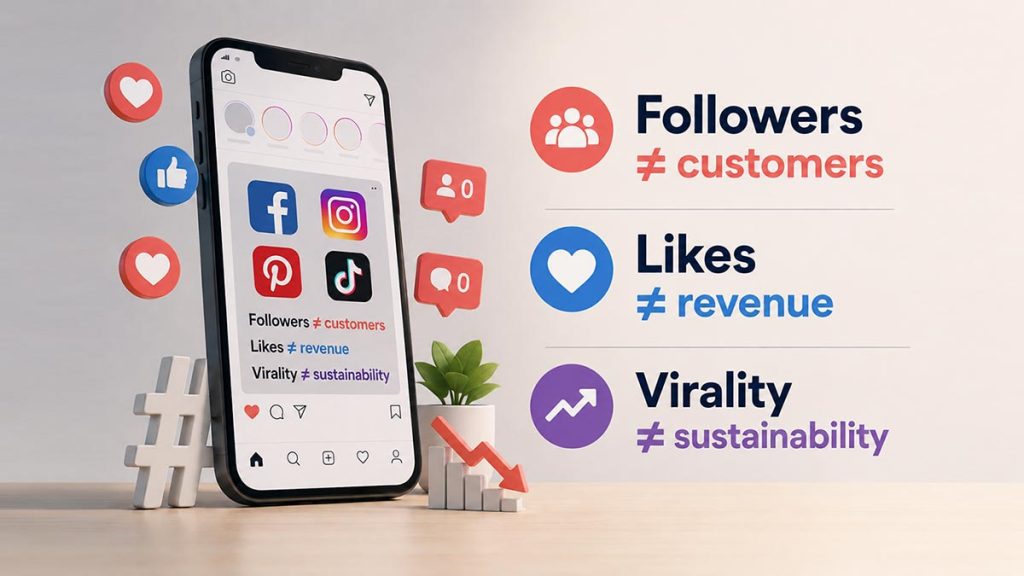
One of the biggest mistakes companies make is confusing social media popularity with actual business value. The reality is that:
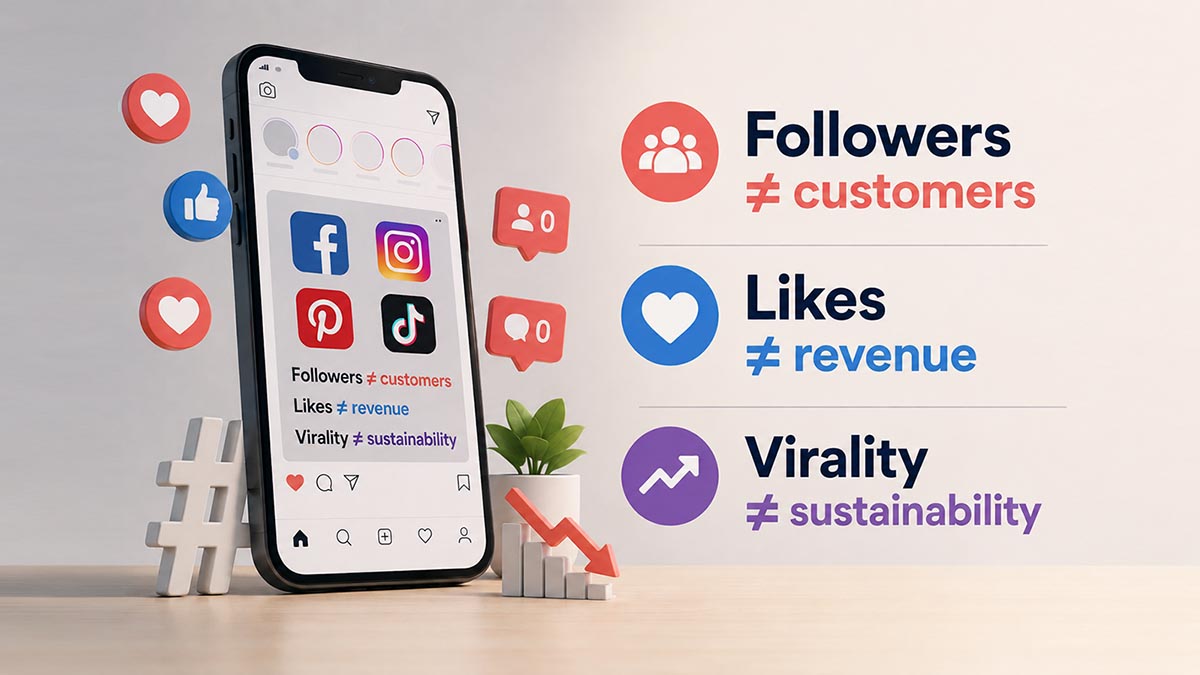
- Followers ≠ customers
- Likes ≠ revenue
- Virality ≠ sustainability
If your account disappears tomorrow, so does your access to those people. That’s not an asset. That’s a dependency.
The Legal and Ethical Cracks Are Starting to Show
If there’s anything the polarizing Instagram lawsuit has taught us, it’s that social media platforms aren’t merely dealing with algorithm complaints. They’re facing legal scrutiny.
It highlights growing concerns around how platforms impact users, particularly younger audiences. The latest ruling against Meta and Google is likely to generate a powerful domino effect, says Professor Carolina Rossini, a technology policy and law scholar.
TorHoerman Law explains that the social media mental health lawsuit focuses on how Meta built products to maximize engagement, even when those design choices exposed teens to serious risks.
The writing is clearly on the wall. Soon, social media giants could be liable for defective design.
When Platforms Face Lawsuits
Regulatory pressure increases. That can lead to:
- Policy changes
- Feature restrictions
- Advertising limitations
- Reputation damage
You might not be part of the lawsuit, but you’re definitely affected by the fallout.
Social Media Can Damage Your Brand
Not all risks are technical. Some are reputational. A poorly managed social presence can harm your credibility and professional image.
Think about it. Inconsistent messaging. Reactive posting. Chasing trends that don’t fit your brand. It’s easy to look busy online without building trust.
And once trust erodes, it’s hard to win back.
What If Social Media Disappeared Tomorrow?
Reader’s Digest explored this exact idea, and guess what it came up with?
One of the biggest advantages of social media is the connections it fosters. The pandemic brought with it isolation and loneliness. Social media bridged that divide. Without it, the solitude would have been deafening.
And then there’s the dark side, mental health issues. We wouldn’t constantly compare ourselves to others. Kate Jansen, PhD, an associate professor of clinical psychology, tells the publication that social media reinforces disordered eating habits under the pretense of community support.
If social media vanished overnight, how would your business survive?
- Do you have a website?
- An email list?
- Direct customer relationships?
If the answer is no, then your business isn’t resilient. It’s fragile.
You’re Limiting Your Growth Without Realizing It
Social media is great for visibility. Not so great for depth.
Brands that rely only on social platforms can struggle to build long-term customer relationships.
Why? Because social media is built for quick consumption, short attention spans, and distraction. It’s not designed for in-depth engagement, detailed storytelling, and meaningful conversion journeys.
There’s No Such Thing as ‘Free’ Marketing
Social media is pitched as a free marketing channel. That’s optimistic.
Yes, posting is free. But visibility? That’s increasingly paid. Between ad spend, content creation, and time investment, the cost adds up.
You’re investing heavily in a platform you don’t own. That’s not efficiency. That’s exposure. Rather, use social media to attract attention, build awareness, and start conversations.
Remember, social platforms should feed your ecosystem, not replace it.


